

Bamboo: A Living Symbol of Community Resilience
Bamboo, often called the "grass of life," is much more than just a plant. For numerous communities around the world, it represents resilience, sustainability, and cultural heritage. This unassuming yet incredibly versatile plant has been intricately tied to the traditions, livelihoods, and survival strategies of people for centuries. From Asia to Africa and South America, bamboo serves as a foundation for community identity, offering valuable lessons in sustainable living and coexistence with nature.
Partnering with Nature for Sustainability
Bamboo is distinguished by its rapid growth and adaptability. Unlike hardwood trees that require decades to mature, bamboo can grow up to three feet in a single day. This makes it a highly sustainable resource. Communities that rely on bamboo use it for construction, crafting, and even as a food source. Its quick regeneration ensures that it remains a dependable material without causing significant environmental harm.
In regions impacted by deforestation, bamboo offers a path to restoration. It helps stabilize soil, prevents erosion, and absorbs large amounts of carbon dioxide. Its role goes beyond practicality; it also symbolizes a commitment to safeguarding the environment for future generations.
A Cultural Treasure Across the World
Bamboo’s significance extends beyond its practical uses, deeply embedding itself in the cultural fabric of many societies. In Japan, bamboo symbolizes purity and resilience and is an integral part of Shinto rituals and ceremonial objects. Similarly, in China, it is celebrated as one of the "Four Gentlemen" in traditional art, representing integrity and strength.
In Southeast Asia, entire communities are built around bamboo groves. The plant’s flexibility and durability are celebrated in local legends, dances, and songs. Musical instruments like the Angklung in Indonesia highlight bamboo’s cultural resonance, producing sounds that echo the rhythms of these societies.
Bamboo in Architecture and Everyday Use
For many rural and indigenous populations, bamboo is synonymous with shelter. Its lightweight yet strong structure makes it ideal for building homes, bridges, and furniture. In earthquake-prone areas, bamboo’s flexibility offers a safer alternative to conventional building materials.
Structures like the "bahay kubo" in the Philippines and the bamboo bridges in Meghalaya, India, are testaments to the ingenuity of local builders and their deep understanding of their environment. Today, bamboo is also making its way into contemporary architecture, with eco-conscious designers incorporating it into urban projects and sustainable housing developments.
A Vital Source of Livelihood
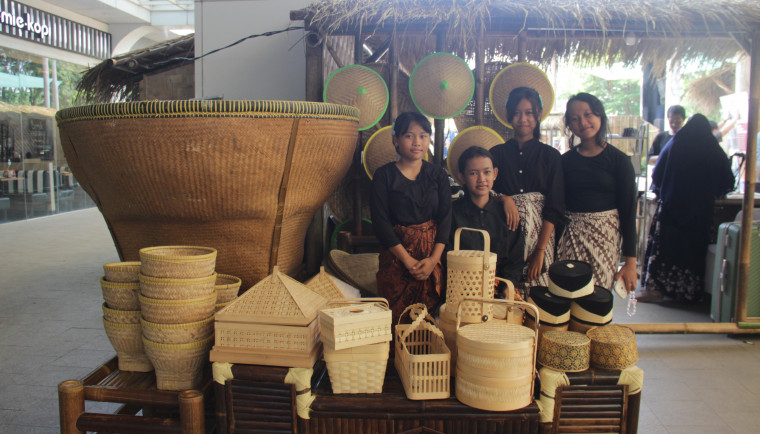
Bamboo cultivation and craftsmanship provide essential economic opportunities. Artisans create a variety of products, from baskets and mats to intricate furniture and decorative pieces. For many, bamboo-based industries are a lifeline, especially in regions where alternative livelihoods are scarce.
Additionally, bamboo’s global popularity has made it a valuable export. Countries like Vietnam, Thailand, and India have thriving bamboo industries, producing goods that range from premium flooring to biodegradable utensils. By accessing international markets, these communities secure a steady income while sharing their unique traditions with the world.
Bamboo: A Metaphor for Resilience
In challenging times, bamboo’s ability to bend without breaking has made it a universal symbol of resilience. Communities recovering from natural disasters often turn to bamboo as a reliable and efficient material for rebuilding. For instance, bamboo played a crucial role in reconstruction efforts following the 2004 Indian Ocean tsunami.
Its metaphorical significance also reflects the human spirit. Like bamboo, which sways but doesn’t snap, communities draw strength and inspiration from its durability to overcome hardships. This enduring quality has made bamboo an integral part of cultural stories and a source of collective pride.
Challenges and Opportunities
Despite its many advantages, bamboo faces threats that could undermine its role in community identity. Unsustainable harvesting, inadequate management, and competition with other industries pose serious challenges. Educating communities on sustainable practices and implementing supportive policies for bamboo-based industries are critical to its preservation.
Innovation and research are also key. Scientists and entrepreneurs are exploring new uses for bamboo, from biofuels to advanced construction materials. Investing in these innovations can unlock bamboo’s full potential while safeguarding its cultural and environmental significance.
Conclusion
Bamboo is more than a plant; it is a testament to human creativity, resilience, and harmony with nature. It offers practical benefits like shelter and economic opportunities, while also standing as a cultural emblem of pride and sustainability.
By embracing bamboo as a symbol of community identity, we can draw valuable lessons about sustainable living and the importance of preserving natural heritage. Whether through traditional crafts, modern architecture, or cultural celebrations, bamboo continues to inspire and connect communities across the globe.
Berita Lainnya
-
20 Aug 2026
MEKANISME PELAYANAN PENDAMPINGAN INOVASI
A. TujuanMekanisme pelayanan pendampingan inovasi bertujuan untuk memberikan fasilitasi kepada perangkat daerah dalam penyusunan, pengembangan, ...
-
15 Aug 2026
FREQUENTLY ASKED QUESTION
FAQ BAPPEDA Kabupaten Tangerang1. Apa itu BAPPEDA?Jawaban:BAPPEDA adalah perangkat daerah yang mempunyai tugas membantu Bupati ...
-
08 May 2026
MOCH. MAESYAL RASYID MENGUMUMKAN KABUPATEN TANGERANG BERGABUNG DALAM BLOOMBERG PHILANTHROPIES YOUTH CLIMATE ACTION FUND UNTUK MENDORONG PERAN PEMUDA DALAM SOLUSI IKLIM
Kabupaten Tangerang merupakan salah satu dari 300 kota yang akan menerima pendanaan dan dukungan teknis ...
-
08 May 2026
MOCH. MAESYAL RASYID ANNOUNCES TANGERANG REGENCY JOINS BLOOMBERG PHILANTHROPIES YOUTH ACTION FUND TO ACTIVATE YOUNG PEOPLE IN DRIVING CLIMATE SOLUTIONS
Tangerang Regency is one of 300 cities that will receive funding and technical assistance to ...
-
27 Jan 2026
Musrenbang Kecamatan Legok Fokuskan Revitalisasi Pasar dan Infrastruktur Lingkungan
Musyawarah Perencanaan Pembangunan (Musrenbang) RKPD 2027 Kecamatan Legok, secara interaktif di Gedung Serba Guna (GSG) ...